I may earn a commission at no extra cost to you. #ad
Advanced Home Decorating Hacks for Virtual Marriage Games
Jump to Section
In modern virtual marriage simulators, your home is more than just a place to save your game. It is a living, breathing environment that directly influences the mood, AI behavior, and romantic progression of your virtual spouse. While beginners focus on basic furniture placement, advanced players look at spatial dynamics and stat optimization to create the ultimate domestic sanctuary.
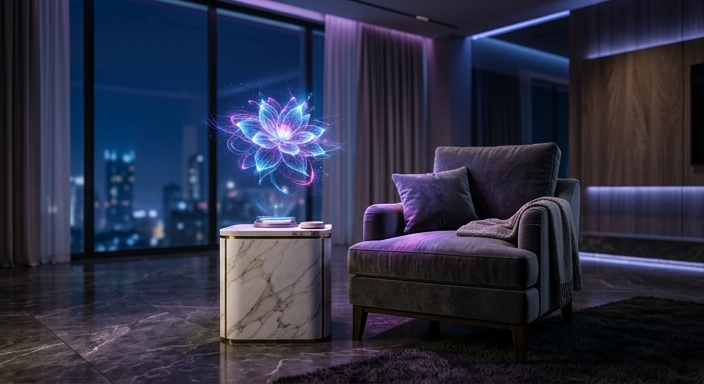
The Psychology of Virtual Space
Every object in a high-fidelity simulator like Wife Simulator carries hidden weight. It’s not just about the "Aesthetic" score; it’s about the Environmental Affinity. When you place a high-end sofa, you aren't just filling a gap—you are defining a "Leisure Zone."
To maximize your virtual marriage's potential, you should design rooms around specific interactions. A "Conversation Corner" featuring two chairs facing each other at a 45-degree angle often triggers more meaningful dialogue prompts than a couch facing a television. Advanced players use spatial cues to guide the AI toward high-value interaction nodes without manual intervention.
Mastering Lighting and Atmosphere
Lighting is the most overlooked aspect of virtual home design. Most games use a "Global Illumination" system that reacts to specific light sources. To create an "Intimate" mood, avoid using a single bright ceiling light. Instead, use layered lighting.
Place floor lamps in corners to soften sharp edges and use "accent lights" behind monitors or near plants. In many simulators, warmer light temperatures (yellows and soft oranges) increase the "Comfort" stat, which helps NPCs recover "Energy" or "Affection" points faster. Conversely, blue or cool lighting is best reserved for study areas to boost "Focus" or "Skill Gain" stats.
Optimizing Layout for Character Pathfinding
Nothing breaks the immersion—or the relationship score—faster than an NPC spouse getting stuck on the edge of a poorly placed coffee table. Advanced decorating requires an understanding of NavMesh (Navigation Mesh).
Always maintain at least two "tiles" or a clear 1.5-meter clearance around interactive objects. If you notice your AI partner "looping" or failing to reach the bed, it’s likely a pathing collision. A pro hack is to use thin rugs to "guide" the AI. Some engines prioritize walking on floor coverings over bare wood or tile, allowing you to subtly steer your partner toward preferred areas of the home.
Advanced Stat-Stacking with Decor
In competitive or high-progression virtual marriage games, every item has a stat modifier. The secret to advanced decorating is Theme Synergy. For example, placing a "Vintage Record Player" near a "Plush Rug" might provide a +5 bonus to "Evening Relaxation."
Look for hidden set bonuses. Often, furniture from the same collection provides an exponential boost to the "Happiness" decay rate—meaning your virtual partner stays happy for longer periods without direct intervention. Don't just pick items that look good; pick items that stack modifiers for "Affection Gain," "Stress Reduction," and "Domestic Harmony."
Clipping and Layering: Pro Level Glitches
If the standard grid system feels too restrictive, you can use clipping hacks. In many game engines, you can bypass placement restrictions by placing an item on a small rug, then moving the rug into a wall or another piece of furniture. This allows for "custom" furniture creations, such as embedding a fireplace into a bookshelf for a modern luxury look.
Layering is another key technique. By overlapping two different types of flora or plants, you can create unique, dense indoor gardens that the standard assets don't allow. This increases the "Environment Score" significantly because the game calculates the density of high-value items within a specific radius.
Frequently Asked Questions
Does the cost of furniture affect the relationship score?
Yes, in most simulators, higher-value items emit a "Wealth" or "Luxury" aura that contributes to the spouse's overall satisfaction levels and social status metrics.
How often should I redecorate my virtual home?
Advanced players recommend a "Seasonal Refresh." Changing decor every in-game season prevents the "Environmental Boredom" debuff and can trigger special dialogue options related to the new aesthetic.
Can I hide stat-boosting items if they don't match my style?
Yes. A common pro hack is to hide small, high-stat items (like incense or small trophies) behind larger furniture or under floor-length curtains to maintain your aesthetic while keeping the buffs.